In 1921, when Coco Chanel set out to create a fragrance, she rejected the very foundation of perfumery at the time.
She didn’t want a rose.
She didn’t want jasmine.
She didn’t want anything that smelled like a single flower.
She wanted something radical:
“A perfume that smells like a woman—not a bouquet.”
What followed would change perfumery forever.
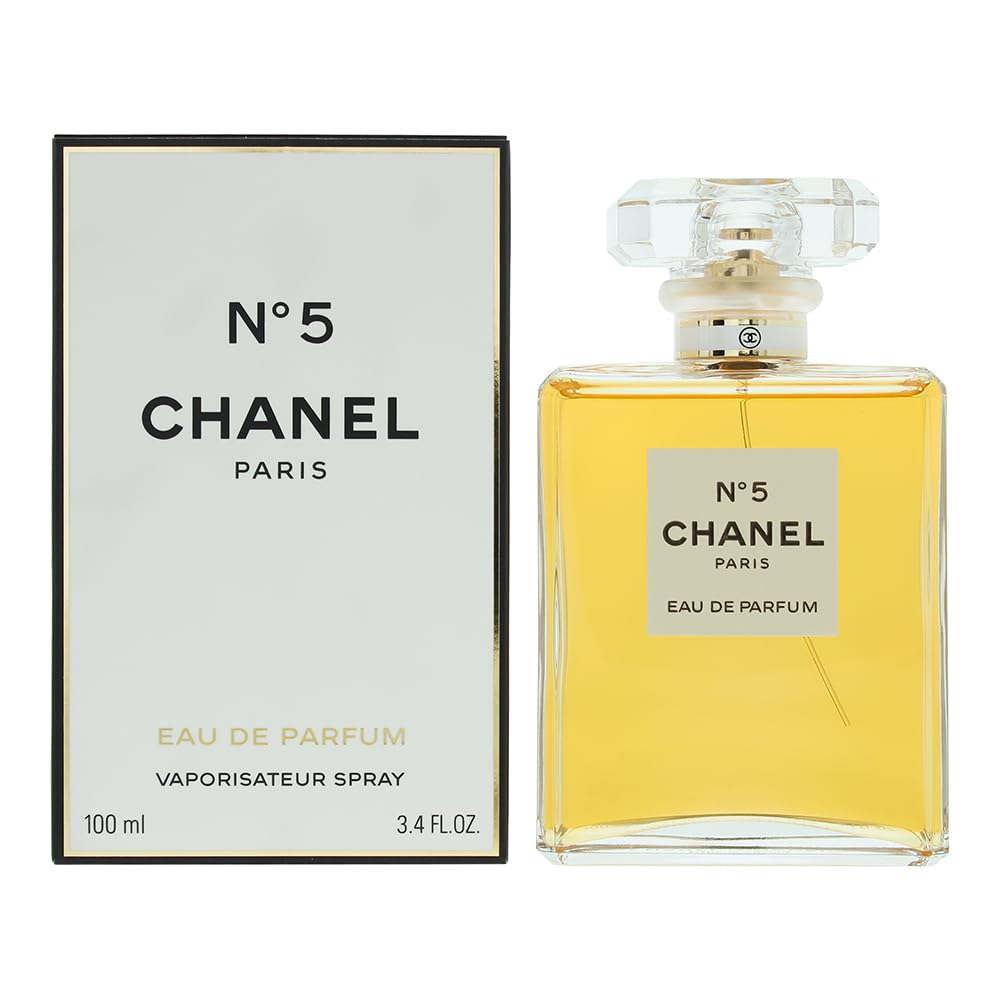
To bring this vision to life, Chanel worked with Ernest Beaux, a perfumer known for his experimental approach.
Instead of presenting one formula, Beaux prepared multiple samples—each exploring different balances of floral notes and newly emerging synthetic materials.
Chanel chose the fifth.
That decision gave the fragrance its name: Chanel No. 5
What made No. 5 revolutionary wasn’t just its composition—it was its structure.
At the heart of the fragrance was an unusually high dose of aldehydes—synthetic molecules that had rarely been used so boldly before.
They didn’t smell like flowers.
They didn’t smell natural.
They created something entirely new:
A sensation of brightness.
A sparkling, almost abstract cleanliness.
A fragrance that felt constructed, rather than grown.
At the time, this was shocking.
Perfumery had always tried to imitate nature.
No. 5 chose to reinvent it.
Beneath its abstract opening, No. 5 still carried a floral heart—rose, jasmine, ylang-ylang—but they were no longer the focus.
They became part of a larger composition.
Layered. Diffused. Elevated.
The base—soft woods, vanilla, and musk—gave it warmth and sensuality, but never excess.
The result was not a flower.
It was an identity.
Modern. Clean. Confident.
A fragrance that didn’t decorate femininity—but defined it.
More than a century later, Chanel No. 5 remains one of the most recognized fragrances in the world.
Not because it followed the rules—
But because it broke them.
It proved that a perfume could be:
* Abstract instead of literal
* Synthetic instead of natural
* Conceptual instead of decorative
And in doing so, it became the blueprint for modern perfumery.
At Fume Luxe, we see Chanel No. 5 not just as a fragrance—
But as a turning point.
A moment when perfumery stopped imitating the world…
And started creating its own.
No WhatsApp Number Found!
WhatsApp us